
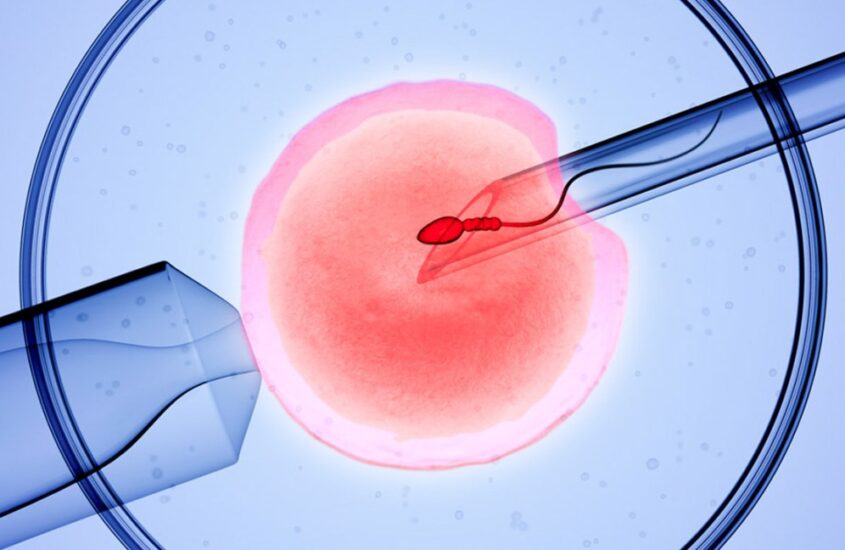
IVF treatment is a medical procedure for couples experiencing infertility. The treatment method used by couples who want to have a child in case of infertility is called in vitro fertilization treatment. Infertility affects approximately 15-20 individuals per 100 in society.
Treatment Process
The treatment process involves several key stages: initial patient-physician consultation and health history review, ovarian stimulation using injectable medications over approximately 10 days, egg collection via ultrasound-guided needle aspiration, fertilization in a laboratory setting, embryo development and culture, and finally embryo transfer into the uterus 2-5 days after fertilization.
What Determines the Outcome
IVF outcomes depend on individual factors — age, ovarian reserve, sperm quality and how the embryos develop. For that reason we do not publish fixed success-rate figures: a single number taken out of your own context can be misleading. After reviewing your history and test results, your physician will discuss with you what is realistic in your situation.
Post-Transfer Care
Post-transfer care requires strict adherence to prescribed hormone medications and vitamins. Patients must avoid sexual intercourse until physician clearance and abstain from alcohol and smoking. A blood pregnancy test is performed 12 days after embryo transfer.
Potential complications, IVF failure factors, and the possibility of multiple pregnancies due to transferring multiple embryos should be discussed with your physician.
Continue Your IVF Journey
If good-quality embryos remain after your fresh transfer, they can be preserved for future use via Embryo Freezing and transferred in a gentler subsequent cycle with our Frozen Embryo Transfer (FET) service.
Before you travel · After you return home
- Before you travel, our team can review your history and recent tests at no charge and tell you what your treatment is likely to involve.
- After your embryo transfer, your pregnancy blood test (beta-hCG) result is followed up with you by video call.
- Wherever you are, we stay in touch with you through WhatsApp.
- You can share your treatment details with your own doctor at home.
Prices
IVF/ICSI packages, per treatment cycle:
- IVF Basic — €3,740 — the treatment itself, including egg collection under anaesthesia, ICSI and fresh embryo transfer. Offered when you already have your pre-treatment tests or arrange your own stay.
- IVF Full — €4,161 — everything in Basic plus the mandatory female and male pre-treatment panels (€342 + €179 if bought separately).
- IVF Full + Stay — €5,252 — adds 15 nights in a 3-star hotel, double room with breakfast, and return VIP airport transfers.
- IVF All-In — €6,400 — adds a coordinator who speaks your language, a 4-star hotel (double room, breakfast included), all clinic transfers and first-year embryo storage.
- IVF VIP — €8,850 — 18 nights in a 5-star hotel (double room, breakfast included) and six months of post-transfer follow-up. The medical and laboratory content is identical to All-In.
We encourage you to seek independent medical advice from your own doctor before deciding on any surgical procedure.
Treatment medication is not included in any package (approximately €1,500, confirmed in writing once your protocol is set). Our medical fees are fixed; hotel accommodation and transfers are subject to availability and are confirmed in writing by your patient coordinator before you book. Prices last updated: October 2026. See the full IVF price guide →
Contact UCARER Women’s Health to book your consultation with Assist. Prof. Dr. Muzaffer Uçarer.